








Nature is endowed with many amazing creatures and one among them are birds.They often swift past our heads and paint the skies with their vibrant energy and colours.Whenever we think of these birds, the first thought that crosses our minds is about the quickest ones, like the high-speed peregrine falcon or the lightning-fast hummingbird.Yet, the natural world is equally fascinating when we turn our gaze toward those creatures that are just the opposites.Some of these birds have evolved over years to survive not through speed, but through a special, slow-paced lifestyle that allows them to be the masters of their specific environments.Just like the peregrine falcon is the fastest bird in the world, so is one which is its exact opposite.
Meet the slowest bird in the world
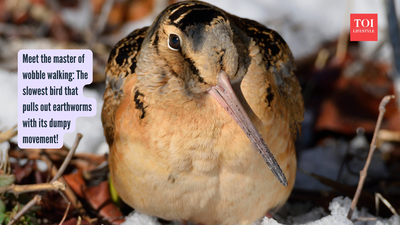
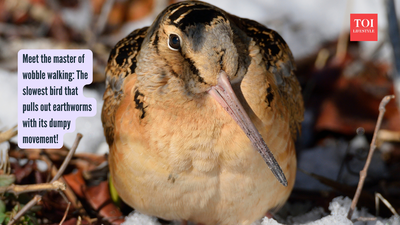
The Guiness World RFecords has regarded the American woodcock as the slowest flying bird with slowest flight speed ever recorded. The sustained flight speed of the bird was measured at just 8 kilometers per hour (5 mph), and was observed in male American woodcocks during their courtship displays.This low-speed flight is unique, especially considering that other birds can actually reach speeds of up to 30 mph during short bursts when they need to escape predators or navigate their territory.
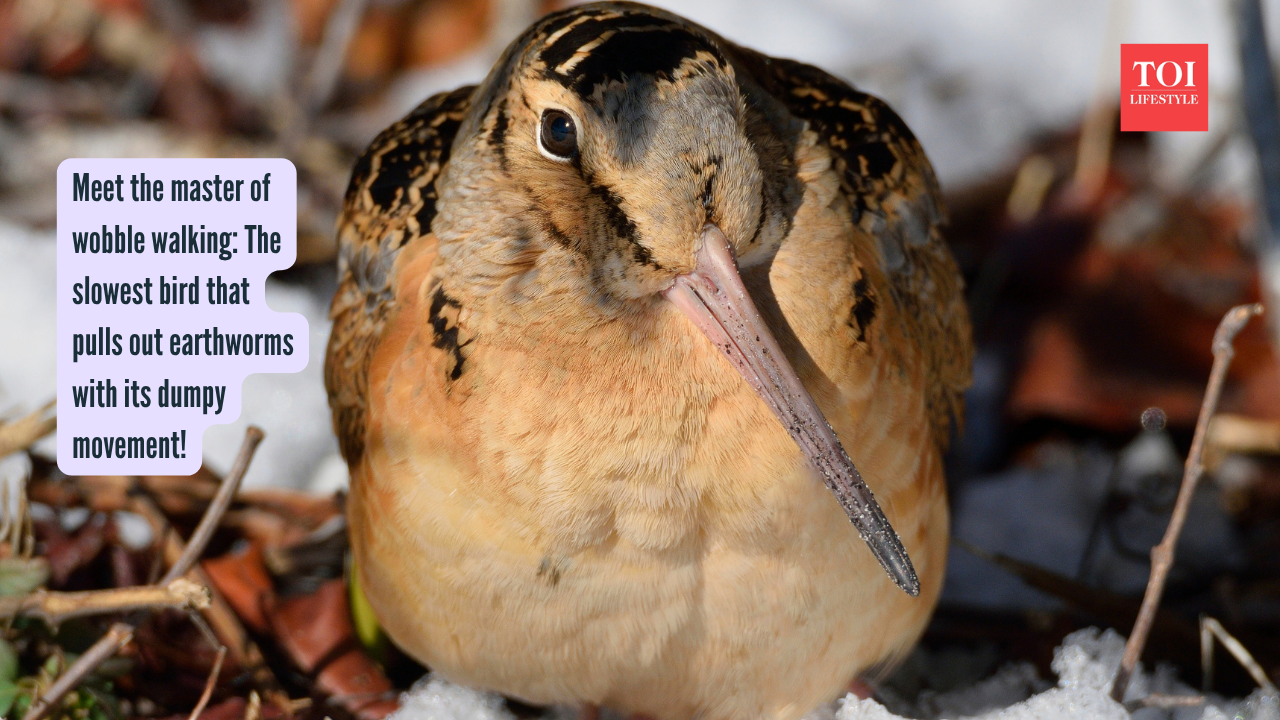
American woodcock (Photo: Canva)
American Woodstock is specially adapted to woodlands
The American woodcock or Scolopax minor, is one of eight woodcock species found globally, with its counterparts inhabiting parts of Europe and Asia.These birds are specially adapted to life in the undergrowth of woodlands. Their long, adapted bills help them to forage effectively, probing the soft soil for earthworms, seeds, and various insects.
Wobbling movements help these birds hunt their meals
It is not just their aerial maneuvers that stand out, they are also well-known for their unusual movement on the ground.The bird is also popularly known for its rhythmic, wobbling gait on the forest floor. As noted by Stuart Blackman in his analysis for BBC Wildlife, the woodcock is known for its slow movements on the ground as well as in the air. This special walking style has a practical purpose.This unusual, wobbling and “dumpy” walk helps the woodcock to hunt by vibrating the ground, which disturbs earthworms under the soil and brings them to the surface, making them easier to catch.This blend of slow-paced flight and a deliberate walking pattern makes the American woodcock an interesting subject for ornithologists.While the title of “slowest bird” is still a point of academic interest, for the woodcock, it is like an adaptation that allows it to survive in its quiet, forest home. Disclaimer: This article is intended for general informational and educational purposes only. While it draws on publicly available sources, including references to records and observations about the American woodcock (Scolopax minor), some details may vary depending on ongoing research and regional studies.