











Winter is the time when many houses have a similar tale to tell. The rain taps on the windows, the lawn is coated with frost, and the outdoor clothesline is long forgotten. In the indoor setting, the radiators hiss while the dirty socks drip off them, and the shirt sleeves hang from each doorway. All of this seems like an understandable and comfortable solution to winter’s harshness, but it also makes the living room an efficient humidifier by stealth.However, hanging wet clothes indoors means releasing substantial amounts of moisture vapour in an enclosed space. For those living in adequately ventilated homes, this moisture vapour will evaporate unnoticed. However, as our homes become increasingly insulated to preserve heat and reduce energy bills, the water vapour generated by drying wet jeans has no way out. As a result, it will remain in the air and will settle in cold spots, leading to a cascade effect that could be hard to remedy.The hidden danger of indoor dryingIt is not the humidity created by drying wet clothes indoors that is particularly dangerous, but rather the lack of proper ventilation. With no fresh airflow, humidity levels may rise sharply in the span of several minutes, creating a perfect place for undesirable tenants to take hold. Microbes will accumulate where humidity meets cold surfaces or objects blocking ventilation channels.According to the research by the Institute of Medicine’s Committee on Damp Indoor Spaces and Health, not only does mould removal solve the problem. This issue cannot be addressed by merely addressing the visible signs since the excess dampness serves as an ideal environment for microbial growth, which may affect the entire household. It has been scientifically established that people residing in damp premises have an increased risk of developing upper respiratory tract symptoms, including coughing and wheezing. This moisture exposure may induce asthma symptoms in children and vulnerable individuals.
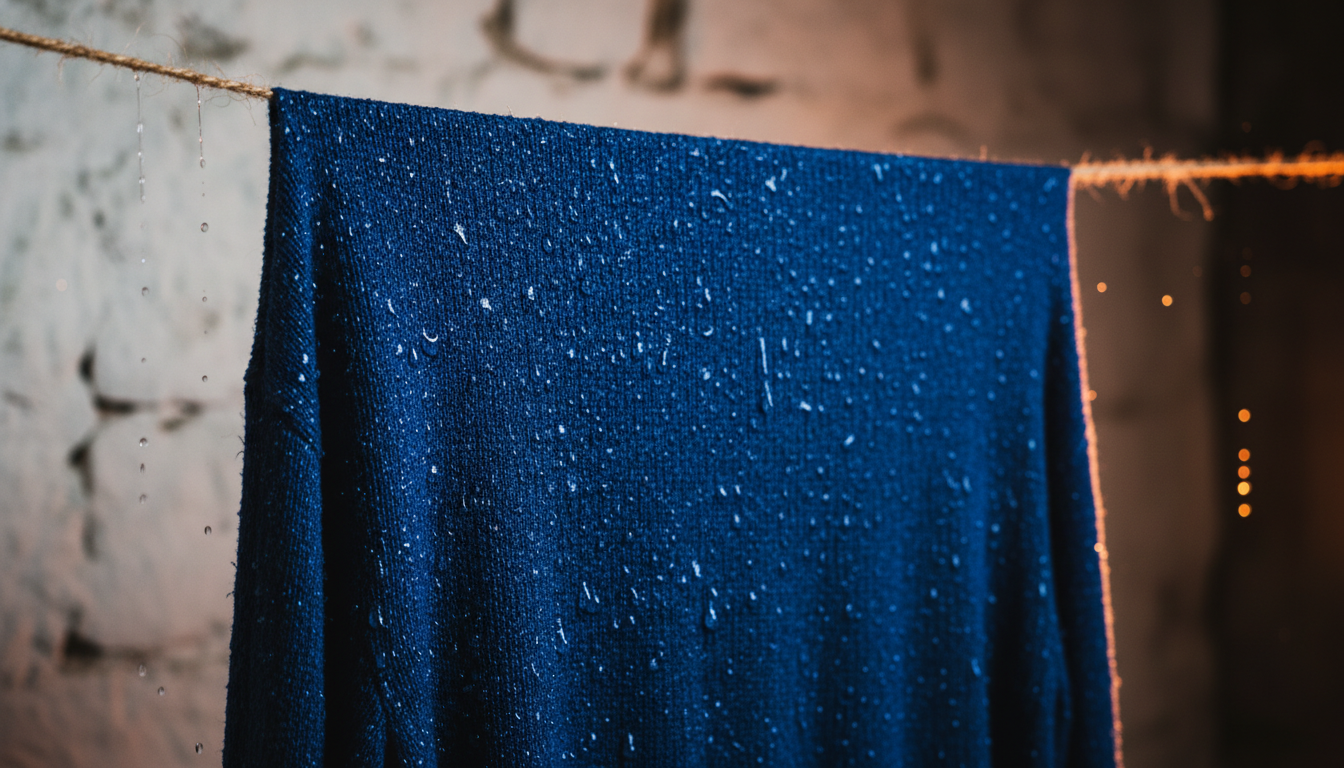
Experts advise opening windows or using fans. Maintaining humidity below 50 percent is crucial for a healthy home environment. Image Credits: Google Gemini
As the study observes, not only does dampness promote mould growth, but the materials themselves begin to decompose, thereby releasing certain chemicals in the air. What is more, the hidden dampness that remains unnoticed because it is located within the walls and behind the drywall surfaces may cause additional troubles, for you will only realise it once you detect a strong odour emanating from your newly washed garments.How to dampen the impact of humid weather on laundryIn what way should you approach a large batch of laundry when the weather prevents you from hanging the clothing outdoors to be dried by the sun’s rays? To solve the problem, you need to understand the principles of evaporation and ventilation first of all. It means that drying your clothes successfully requires taking into account the importance of ventilation, which implies opening a window slightly or turning on a powerful exhaust fan.According to the research on Moisture control and ventilation found in the Damp Indoor Spaces and Health report, managing the “moisture dynamic” is the only way to prevent long-term structural and health issues. The study notes that nearly 80 per cent of building problems are related to moisture intrusion or condensation. To fix this in a DIY context, the experts recommend a “source control” approach. This means placing your drying rack in the room with the best natural airflow, using a dehumidifier to pull water from the air actively, or even using a simple oscillating fan to keep the air moving over the fabric.The report also emphasises that consistency is key. It isn’t just about one large spill or a leak; it is the repeated exposure to high humidity from daily chores like laundry that builds up over time. By using simple tools like a hygrometer to monitor your room’s humidity levels, you can see exactly when it is time to crack a window. Keeping your indoor humidity below 50 per cent is the gold standard for stopping mould in its tracks and keeping your home’s air feeling light and fresh.It’s an important step that must not involve risks. Thinking about the drying rack in relation to overall environmental impact gives you the ability to make some minor decisions proactively that will help you protect your home. You can use just a little bit of ventilation to have just one moist item in your house, which should remain just until it dries out.