








Chapter 1: Massive growth, deep losses
For over two decades, SpaceX’s internal finances were treated like state secrets, shared only with a tight-knit circle of venture capitalists, sovereign wealth funds and high-net-worth insiders. The S-1 filing strips away that corporate cloaking, offering the public its first unrestricted look into the financial engine room of the world’s premier aerospace company.The numbers show a business experiencing explosive commercial demand. SpaceX generated $18.7 billion in revenue in 2025, which represents a 33% increase year-over-year (YoY). This growth highlights the company’s dominance over the global launch market and the adoption of its satellite broadband constellation worldwide.
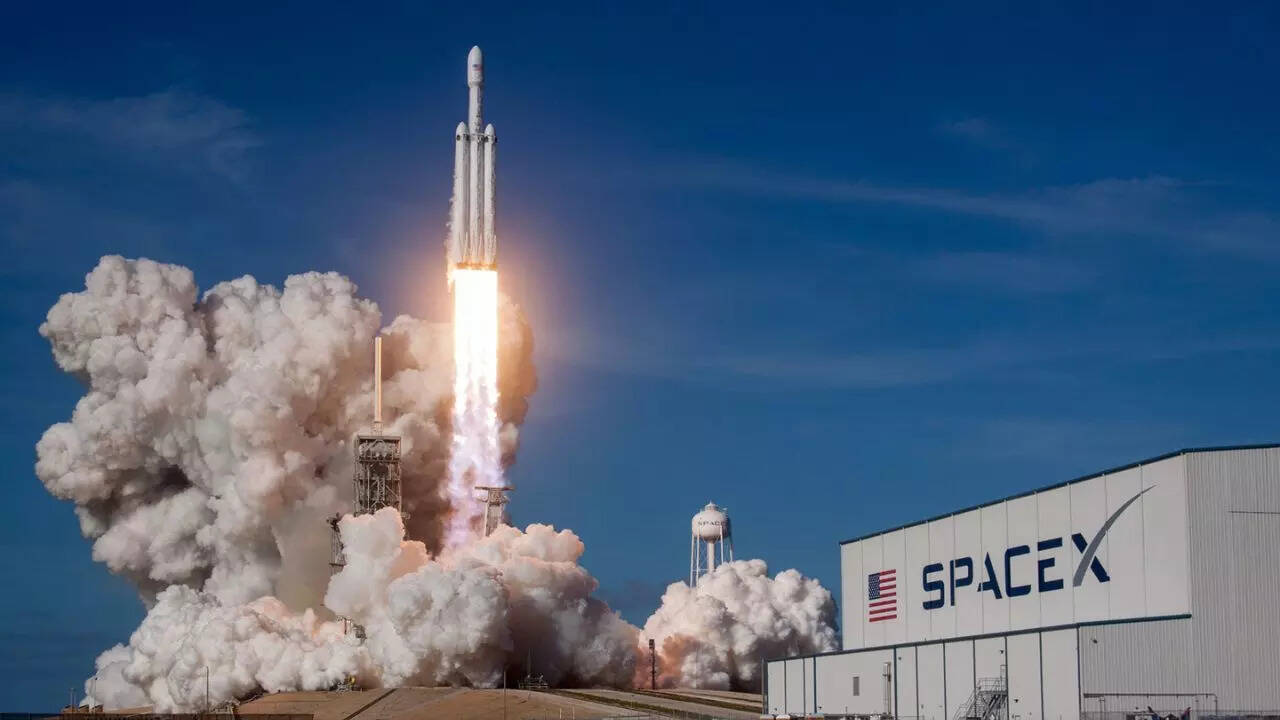
Representative Image
However, the prospectus also reveals the immense financial strain of Musk’s ambitions: conquering deep space and building artificial intelligence (AI). Despite the surging revenues, SpaceX posted a substantial net loss of $4.94 billion for the full year of 2025.SpaceX revenue trajectory
- 2024: $14.06B (Est.)
- 2025: $18.70B (+33%)
Rather than stabilising in the new year, the company’s burn rate has actively accelerated. The SEC paperwork reveals that SpaceX lost a staggering $4.27 billion in the first quarter of 2026 alone.It has been assumed that SpaceX’s heavy losses are tied directly to the development of Starship, which is the company’s 400-foot-tall reusable rocket system being tested in Boca Chica, Texas. But the financial breakdowns highlight a different story. The sudden, massive spike in cash consumption is driven almost entirely by heavy investments in its newly formed artificial intelligence (AI) unit, a consequence of SpaceX’s recent strategic acquisition of xAI.By absorbing xAI, SpaceX has transformed from a pure aerospace and telecom provider into a deep-tech hybrid conglomerate. The immense capital needed to procure tens of thousands of specialised AI microchips, construct massive data centres, and hire elite machine-learning engineers has created a demand for cash, explaining the urgency behind the June 2026 IPO timeline.
Chapter 2: Starlink, xAI and more
While artificial intelligence (AI) and deep-space rockets swallow capital, SpaceX possesses a reliable, highly lucrative economic engine that keeps the broader enterprise afloat. The S-1 filing confirms that the company’s connectivity segment, known as Starlink, has firmly established itself as the primary moneymaker for the entire corporation.According to the financial breakdowns, Starlink now represents roughly 60% of SpaceX’s total revenue. This means that out of the $18.7 billion brought in during 2025, over $11 billion was generated purely by beaming low-latency internet down to earth from low-Earth orbit (LEO).Citing SpaceX’s IPO prospectus released on Wednesday (May 20), CNBC reported that the satellite internet unit Starlink is completely eclipsing the rest of the company in terms of growth and profitability. The financial data revealed in the IPO filing shows a division between SpaceX’s highly publicised space exploration units and its commercial internet business. If revenue share is taken into account, Starlink generated $11.39 billion in revenue last year, accounting for 61% of SpaceX’s total sales. This grew even further in the first quarter of this year, with Starlink essentially making up 69% of all company revenue.
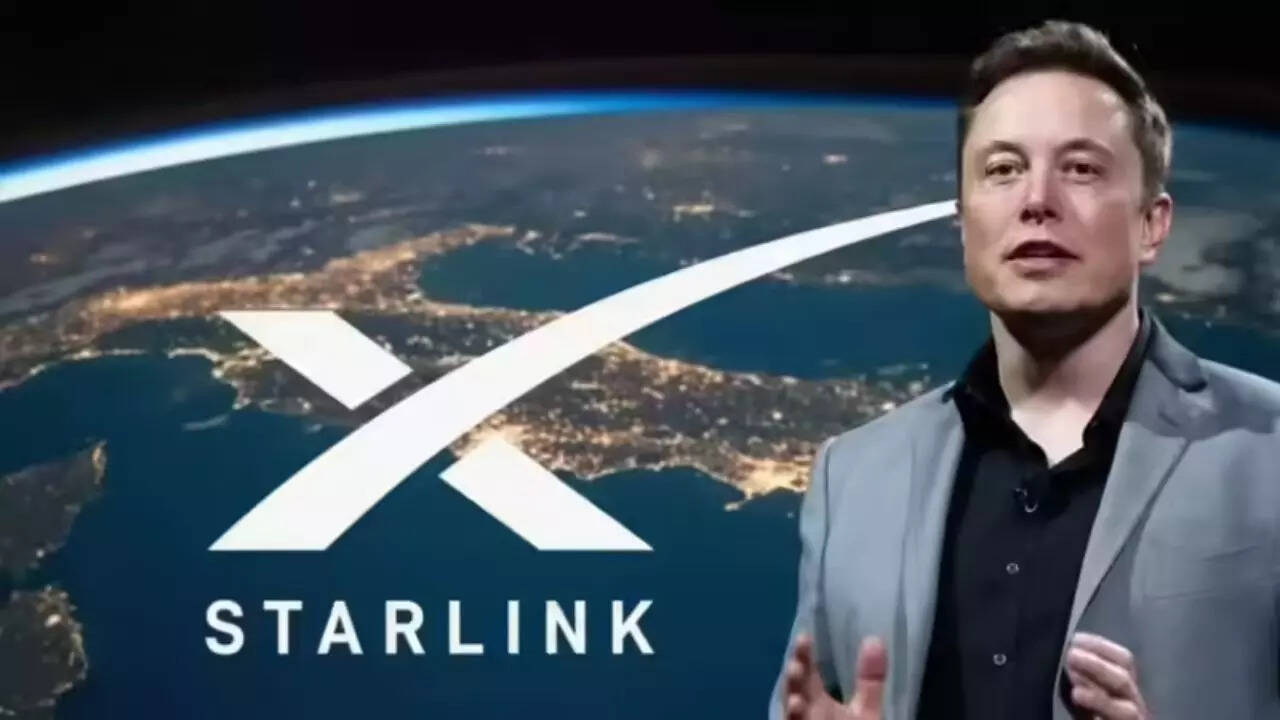
Starlink
Starlink’s transition from a risky engineering experiment into a global powerhouse has been swift. The network has successfully expanded its footprint far beyond rural residential subscriptions, capturing highly lucrative enterprise markets. These business include:Commercial aviation by signing fleet-wide connectivity deals with major international airlines to replace legacy in-flight Wi-Fi; Maritime networks wherein it will power cruise ships, cargo fleets and military vessels across the world’s oceans; and finally, defense and government contracts for delivering secure, encrypted satellite communication arrays through specialized iterations like Starshield.Furthermore, the 60% revenue share also proves that SpaceX is fundamentally different from traditional aerospace contractors like Boeing or Lockheed Martin. Investors aren’t simply buying into a rocket launch company that flies a dozen or two times a year; they are buying into a sprawling utility and telecommunications network with recurring software-like margins that blankets the entire globe.
Chapter 3: Elon Musk’s total control
For years, Elon Musk repeatedly stated that he would not take SpaceX public until Starlink’s revenue streams were entirely stable and predictable. This suggests that he had the full power of steering the company the way he wanted. His greatest fear was short-sighted public market investors and activist hedge funds, which could compromise his long-term, high-risk goals like establishing a permanent human city on Mars.To protect his vision from the whims of Wall Street, Musk has utilised a corporate defense mechanism that has become popular among Silicon Valley tech founders. The S-1 filing outlines a strict super-voting share arrangement. Under this multi-class stock structure, the shares available to the public on the Nasdaq will carry standard voting rights (typically one vote per share). He and select shareholders will hold a special class of stock with 10 votes per share, ensuring control over board elections and corporate decisions. The prospectus warns investors this structure will “limit or preclude” their ability to influence governance.In contrast, the class of insider shares held by Musk will carry an overwhelmingly weighted number of votes per share. Musk will have the power to control the outcome of matters requiring shareholder approval, including election of all our directors. He will serve as the company’s CEO, chief technical officer, and chairman of its board.

Musk, already worth $839 billion according to Forbes, could become the world’s first trillionaire if SpaceX’s IPO succeeds. His compensation package includes 15 tranches of 67 million shares each, vesting only if SpaceX hits market cap targets up to $7.5 trillion or achieves futuristic goals like building giant orbital data centers the size of football fields.For institutional investors, this structure represents a major compromise. Funds that buy into the IPO will have virtually no power to influence executive compensation, block controversial acquisitions (like the xAI deal), or dictate the operational timeline of the Starship program. However, Wall Street analysts widely expect the market to accept these terms without major resistance.
Chapter 4: The risks, rewards and the June ‘launchpad’
As the world prepares for a potential June 2026 debut, the countdown clock is ticking rapidly for the underwriter banks, auditors and regulators tasking themselves with processing this multi-trillion-dollar transaction. The rewards of the offering are undeniably vast. With an influx of at least $75 billion in cash, SpaceX will instantly secure the financial runway needed to execute its most capital-intensive projects simultaneously. These include:AI scaling: Expanding xAI’s computing clusters to build world-leading models embedded directly within aerospace, autonomous robotics and satellite networks.Starlink: Accelerating the launch of next-generation satellites to maintain its dominant 60% revenue stream ahead of brewing geopolitical and corporate competition.
The Mars and Moon fleet: Funding the mass production of Starship vehicles, turning a developmental test program into a continuous, operational fleet.However, the company’s pivot into AI field has introduced a layer of fiscal volatility. This was evident by the multi-billion-dollar losses reported in Q1 2026. If the monetisation of its AI units fails to match the explosive growth of Starlink, the company could face immense pressure from the public markets to scale back its auxiliary investments.Notably, Anthropic has agreed to pay SpaceX $1.25 billion per month (totaling nearly $45 billion through May 2029) to rent AI computing capacity. The deal provides the Claude AI developer with access to thousands of Nvidia GPUs at the Colossus 1 and Colossus 2 data centers.
Starship launch gives SpaceX IPO boost
The launch of Friday’s (May 22) Starship launch gave SpaceX enough to work with. The upgraded vehicle cleared most of its objectives – released a batch of dummy satellites and brought the spacecraft down in a controlled splashdown over the Indian Ocean. “SpaceX didn’t need perfection from this flight. It needed proof the upgraded vehicle is heading in the right direction. That’s largely what investors saw,” said Mark Vena, CEO of SmartTech Research. This was the twelfth Starship prototype test since 2023 and the first using the V3 configuration. Progress has been uneven throughout, but the direction of travel is what’s being scrutinised – not any single result.
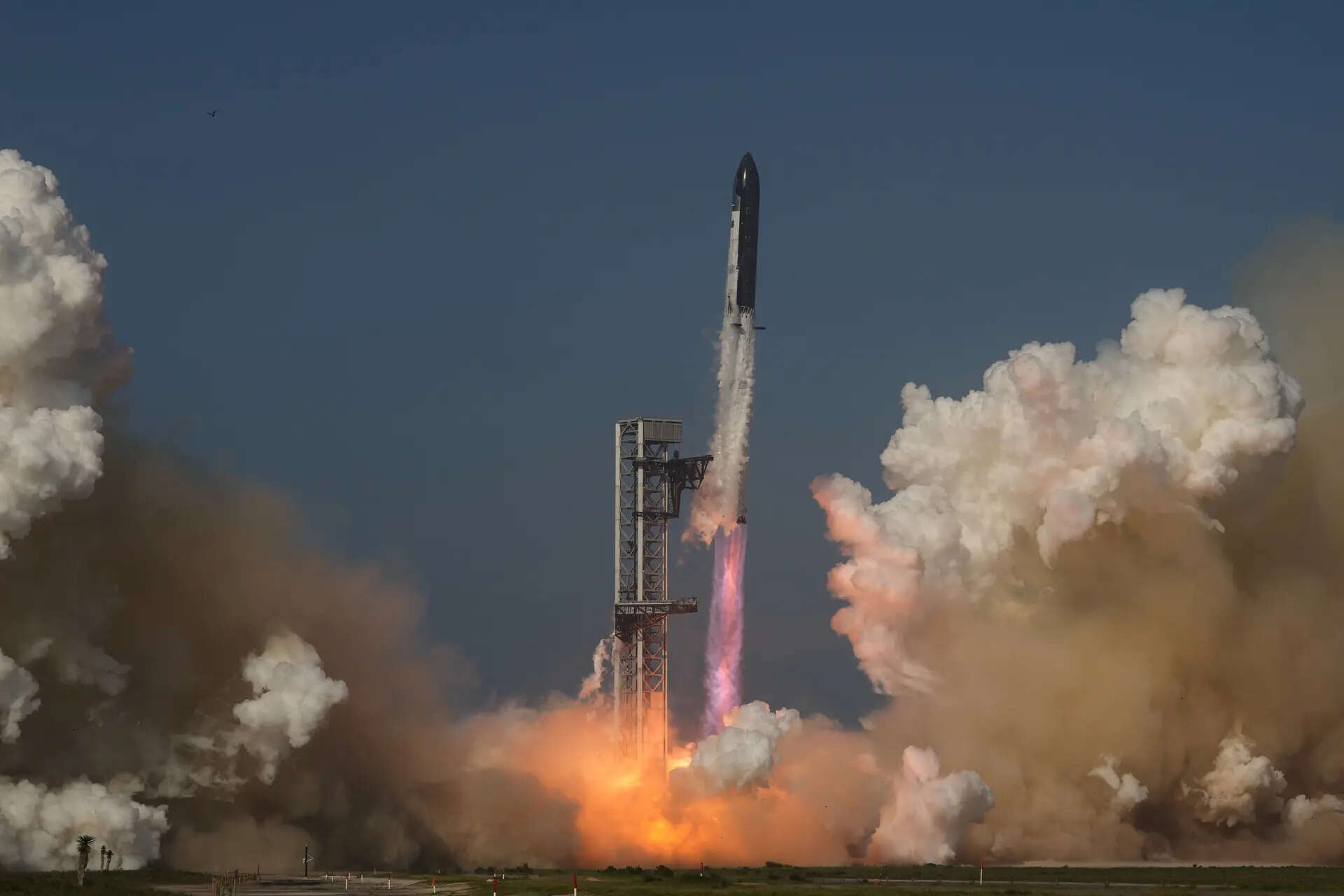
SpaceX has poured more than $15 billion into Starship, betting that a fully reusable heavy-lift rocket will slash launch costs to a degree no existing system can match. Those economics matter enormously for Starlink, the satellite internet service that generates the bulk of SpaceX’s revenue, and for the broader ambitions Musk has outlined in the IPO filing.Despite the booster loss on Friday, investors and fund managers have largely maintained their stance. The view is that Musk has a track record of turning improbable engineering bets into dominant, cash-generating businesses.One thing is certain: The upcoming launch of SpaceX on the Nasdaq will be a water-cooler moment in human history.