









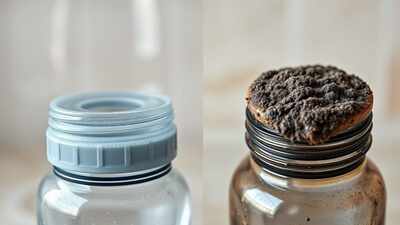
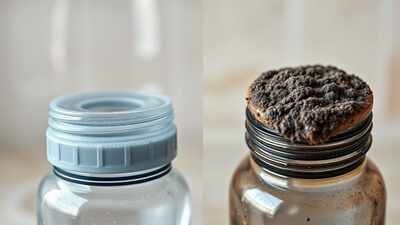
These are carried to the gymnasium, kept on our office desks, inserted into our backpacks during hikes, yet they continue to have that same old musty and plasticky smell. Although we may wash them each night, they will still have that odour. Most times, people tend to point fingers at dirty water or even their backwash, but actually, it is caused by chemical reactions from the lid.The wet pockets in the thread or crevice areas make up a microscopic ecosystem under pressure. When you cover a not completely dry bottle, you are actually creating an environment which will cause a chemical decomposition process to take place, not because of hygiene reasons, but due to the materials which are involved. They influence the quality of the water you consume directly.Chemical explanation of “Plastic” smelling waterThere is no surprise that most of the reusable bottles on the market are made of polyethylene. The material is very tough and can serve well when you keep beverages inside. However, it may be vulnerable. According to one important research by Water Research, polyethylene becomes susceptible to photodegradation under conditions of light and water exposure. It decomposes, producing VOCs including butyl vinyl ketone and benzophenone.These chemicals are what cause the unpleasant odour. The research has found that even small amounts of light can accelerate the process, and that the effect is more pronounced in bottles made of LDPE. The cap area becomes a focal point for reactions due to the longer time period during which the water remains in the cap compared to other parts of the bottle.Apart from the breaking down of the plastic, the smell becomes a victim of the very processes that occur in many damp environments. According to a research paper, Progress on odor deterioration of aquatic products, such typical odours are produced by the interplay between oxidation of lipids and microbes. Like fish odour is produced in wet conditions due to chemical processes occurring in the body, the “funky” odour of your water arises out of the interaction between moisture and whatever residue remains in the container.
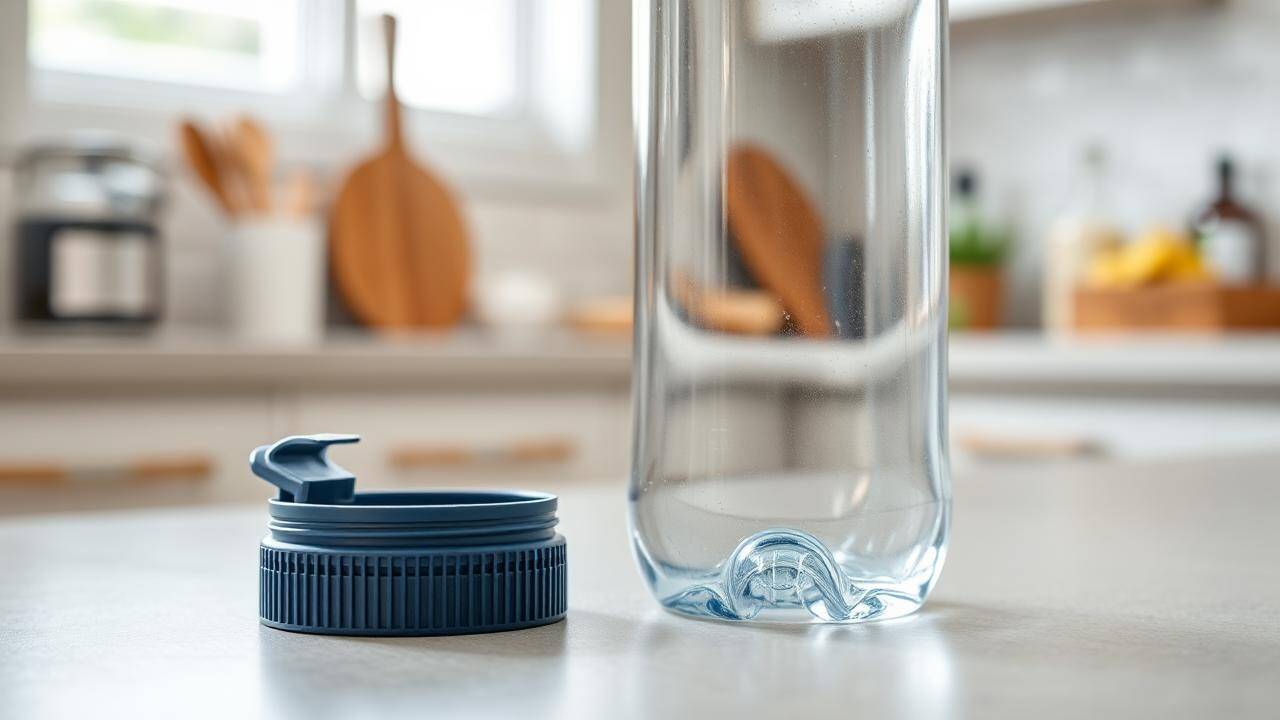
Polyethylene in bottles decomposes, releasing odour-causing chemicals. Moisture trapped in the lid’s crevices accelerates this process. To keep your drink fresh, always dry the lid completely before sealing the bottle.
The dry cap solution for refreshing hydrationTo avoid turning your drink into something else entirely, the answer to the problem lies in disrupting this moisture process altogether. People who regularly drink from their water bottles clean their bottles but seal them immediately afterwards because they think they are “keeping it clean.” In fact, that is what causes the most damage.The advised way of cleaning is the “separate and dry” technique. The bottle and its lid should be stored separately while they are wet, until they become fully dry. In this way, full ventilation will be provided for the cap’s threads and seals, areas in which water usually sticks. This is particularly significant for the bottles having complex straws and sport caps with many dead ends.You should also be mindful of where you leave your bottle during the day. Since the study in Water Research proved that sunlight is a major catalyst for odour-causing chemical reactions, keeping your bottle in a bag or a shaded spot rather than on a sunny car dashboard can significantly extend its freshness. If a bottle has already developed a strong smell, a thorough soak in an enzymatic cleaner can help break down the protein and lipid residues that contribute to the odour, effectively “resetting” the material.The freshness that comes from the aroma does not mean only a pleasant taste, but also a good habit when using the same bottle every day. You could prevent any decomposition of chemicals resulting in an awful smell by ensuring that the lid is dry before closing.