









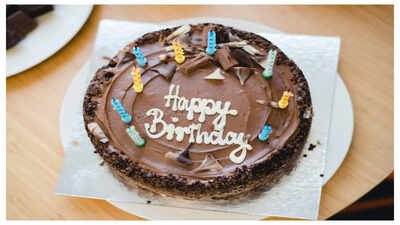
NEW DELHI: A bowling-themed birthday cake that had delighted three-year-old Reyaansh from Thane during a family celebration May 31 turned into a nightmare when the toddler unknowingly swallowed two metal wires hidden inside decorative cake toppers. The following day, which was his actual birthday, the family found itself in hospital instead of celebrating after scans revealed the pieces had travelled to the child’s intestine.For nearly 48 hours, Reyaansh’s family anxiously waited as doctors monitored the movement of the wires, fearing they could cause internal injury or require surgery. The objects were eventually excreted naturally, sparing the child an operation.Less than two weeks later, food regulator FSSAI has ordered an immediate halt to use of metallic pins, wires and similar materials in food products and packaging, citing the risk of accidental ingestion and injury.
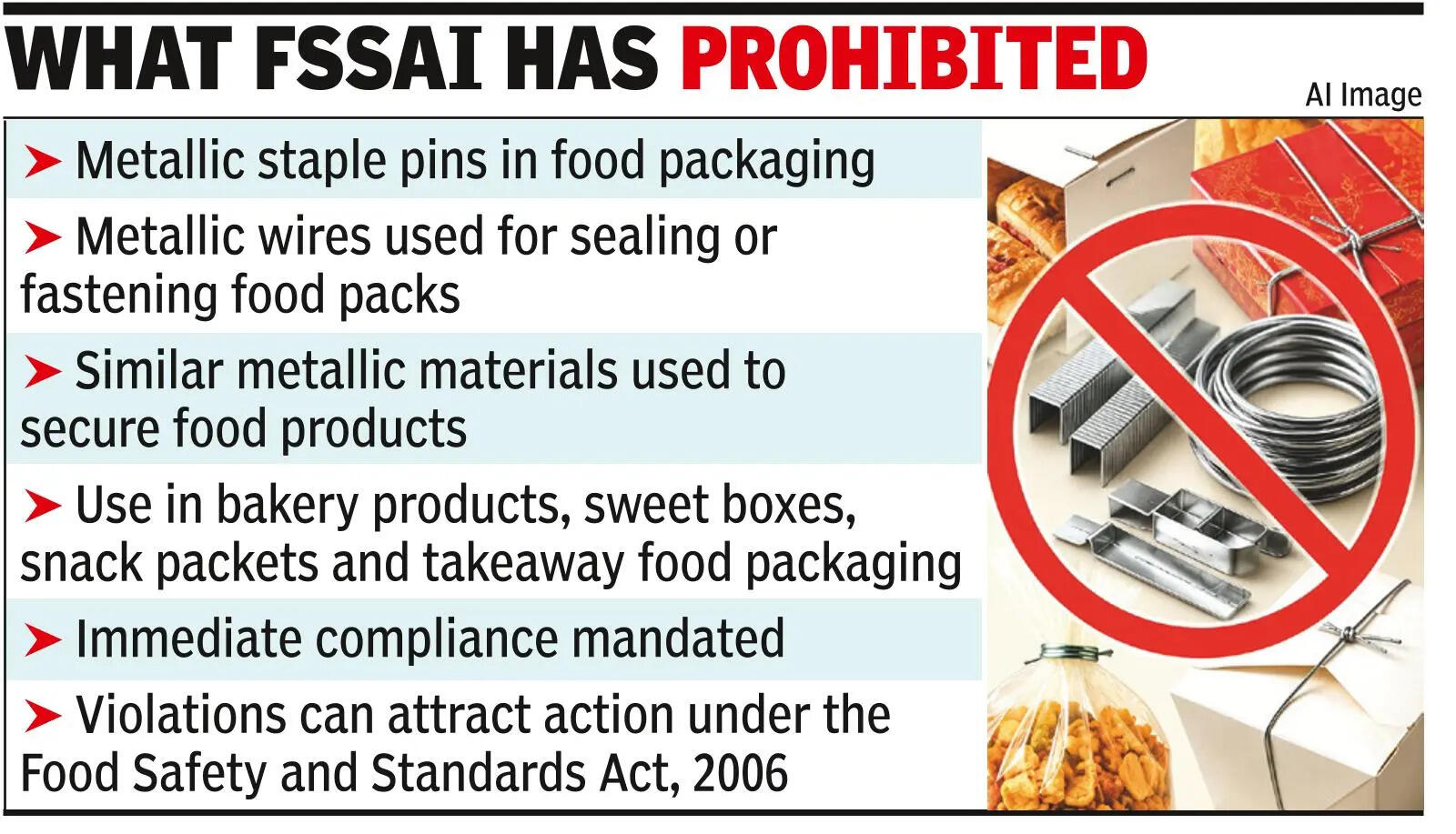
What FSSAI has prohibited
The nationwide advisory, issued by Food Safety and Standards Authority of India (FSSAI) on June 12, follows reports of metallic pins and wires being found in cakes and attached to food packets. “There exists a significant risk that such pins may inadvertently be consumed by consumers, resulting in injury and adverse health consequences,” FSSAI said in its advisory.The order covers use of metallic pins, wires and similar materials for sealing, fastening, securing or packaging food items, including bakery products, sweet boxes, snack pouches, takeaway meals and other packaged foods.Food businesses have been directed to discontinue the practice with immediate effect and adopt safer alternatives for packaging and sealing. The regulator warned that non-compliance could invite penal action under provisions of Food Safety and Standards Act, 2006, and regulations framed under it.The advisory has been circulated to food business operators and food safety commissioners across states and UTs for enforcement.The move is expected to accelerate a shift towards heat-sealed packaging, adhesive seals and other food-safe fastening methods while reducing the risk of accidental ingestion of metallic objects.