







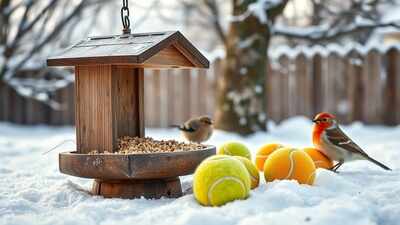
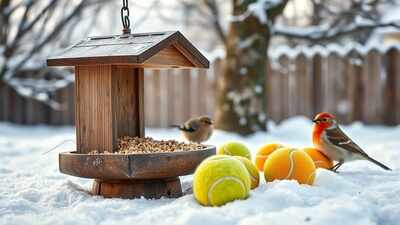
The winter season presents genuine threats to the native fauna while moving around the frosted gardens. The birds and hedgehogs are among the smallest animals that are more susceptible to falling due to the slippery surface as they look for something to eat or a place to stay during the cold days.There is an interesting home remedy that is gaining popularity. This is the use of tennis balls, which you should hang where animals like to walk, such as garden netting and patios. This can easily be done and is supposed to give the surface some traction.The importance of stable surfaces in winterAs soon as temperatures drop and ice covers garden nets, feeders, and patios, the surface becomes slippery and dangerous for birds. Research studies prove that textured rubber greatly improves traction in icy conditions.The article Efficacy of a Rubber Outsole with a Hybrid Surface Pattern for Preventing Slips on Icy Surfaces from Applied Ergonomics reveals that the texture of the rubber sole increases its resistance to sliding on icy surfaces compared to non-textured ones, thus minimising slip and fall accidents during winter weather. Although the study focuses specifically on shoe soles, the principle can be applied generally to any surface of rubber; therefore, it can also be applied to tennis balls in a garden setting.Due to their rubber skins, which have a textured surface, tennis balls become little grip devices when they find themselves on icy surfaces. The textured surface improves the ability of birds and hedgehogs to step on or land on the ice. Additionally, the colourful appearance of the tennis balls attracts the attention of any animal searching for a meal.Offering birds reliable landing and foraging locationsThe freezing temperatures force birds to search for a reliable source of food as well as a place to land. Freezing conditions can create dangerous landing conditions for the birds, making it difficult for them to balance. Therefore, the placement of the tennis balls around the bird feeder provides a secure and non-slippery landing place for the birds and energy that would otherwise be spent on regaining balance.The balls with rough textures act as reliable, easily-grasped attractants to lure birds from gardens into open areas during the cold season. When strategically placed, they encourage the birds to visit more often, thus ensuring their survival in the winter season.Helping hedgehogs to move safely over icy pathsGarden paths covered with ice become difficult for hedgehogs and other small mammals to navigate in winter. It becomes risky for hedgehogs to forage at night as the icy path becomes slippery due to fallen leaves and grass.The provision of a good footing using tennis balls placed along the known trails and areas around the shelters ensures that the hedgehogs remain stable and do not slip, allowing them to access places with the possibility of having food. This will allow them to conserve their energy by minimising sliding on slippery ground.
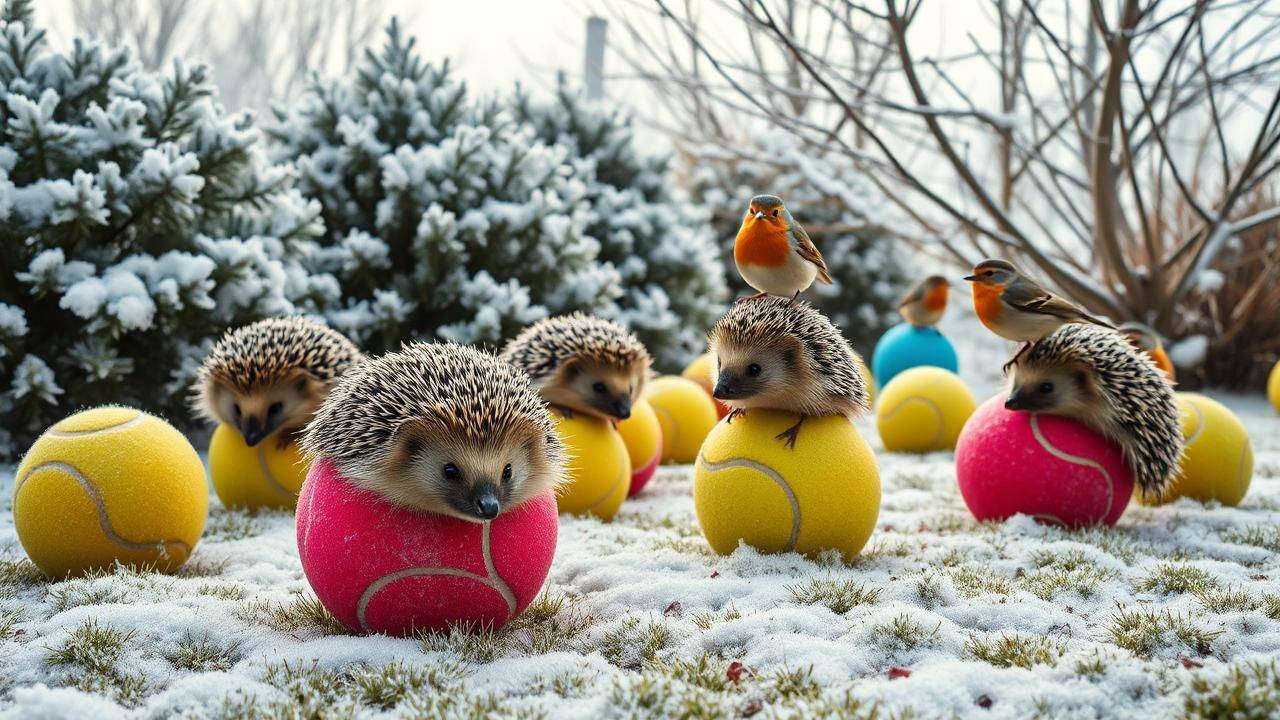
This innovative home remedy provides safe landing spots and foraging paths, significantly aiding wildlife survival during the cold months.
This method aligns with other general concepts of wildlife conservation that encourage assisting wildlife in adapting to human-modified environments. Based on the Woodland Trust’s tips for surviving winter, methods such as offering refuge and readily available food assist small mammals and birds in maintaining their strength during cold weather and improving their chances of survival.Where to put the tennis balls for optimal resultsFor optimal results, tennis balls should be put where there is frequent animal movement and areas where ice usually forms first. Examples include areas around bird feeders, underneath garden netting, on patios, and hedgehog highways or at entryways to refuges. Since tennis balls are highly visible due to their vibrant colours, they are easily visible against snow-covered areas, aiding animals in finding safe surfaces more easily.The frequent check-ups will help maintain the balls at appropriate places and avoid cases when snow covers them or moves them away by itself. Adjust their locations if animals divert their route or bad weather comes along. Little pre-planning will make the technique more effective for wildlife in your garden through winter and boost chances that the local animals and birds will continue to benefit from it.Complementary winter wildlife careIn addition to providing tennis balls, a number of other simple measures that are friendly for wildlife during winter could come in handy. For example, add floating elements to bird baths to allow continuous movement of water and prevent it from freezing. The tiny floating elements cause minimal movement, allowing the water not to freeze in cold weather.According to the Woodland Trust, the Royal Society for the Protection of Birds, and the National Wildlife Federation, providing adequate food, unfrozen water, and safe footholds is an important action that gardeners can take to help birds and hedgehogs survive the harsh weather conditions.Maintaining the garden’s natural components, such as the leaves, seeds, and indigenous plants, provides both nourishment and a habitat for insects and small mammals. Avoiding synthetic grass and reducing the use of pesticides maintains the balance and supports the natural cycle of seasons, making sure that animals have something to survive on during winter.Small steps, great resultsA few minor measures, including placing tennis balls around the garden nets and on the pathways, can have a significant impact on birds and hedgehogs who struggle with the cold weather. It is important to provide them with a safe and non-slippery surface to reduce injuries while helping them access food and shelter sources.With these simple techniques combined with other winter practices, such as preventing freezing of bird baths and maintaining natural habitats in gardens, gardeners encourage the presence of winter wildlife in their yards.