











A baby who cannot yet speak may still “bend the truth.” That idea feels strange at first. But new research, including the Early Deception Survey (EDS) published in the journal Cognitive Development, shows something important: the roots of lying begin far earlier than most parents expect.By 10 months, about 25% of babies show simple deceptive behaviour. By age three, almost all children experiment with it. These are not calculated lies. They are small, everyday attempts to get what they want or avoid trouble. Understanding this phase can change how parents respond, and how children learn honesty over time.
The first signs: It starts earlier than expected
Parents often link lying with older children. But the study suggests otherwise. Some parents noticed early signs as young as eight months.These early behaviours are subtle. A baby may pretend not to hear a parent’s voice. A toddler may quietly hide a toy. Another may eat something forbidden and shake their head when asked.These actions are not planned deception in the adult sense. They are trial-and-error responses. The child learns: this action helped avoid a reaction. That learning sticks.
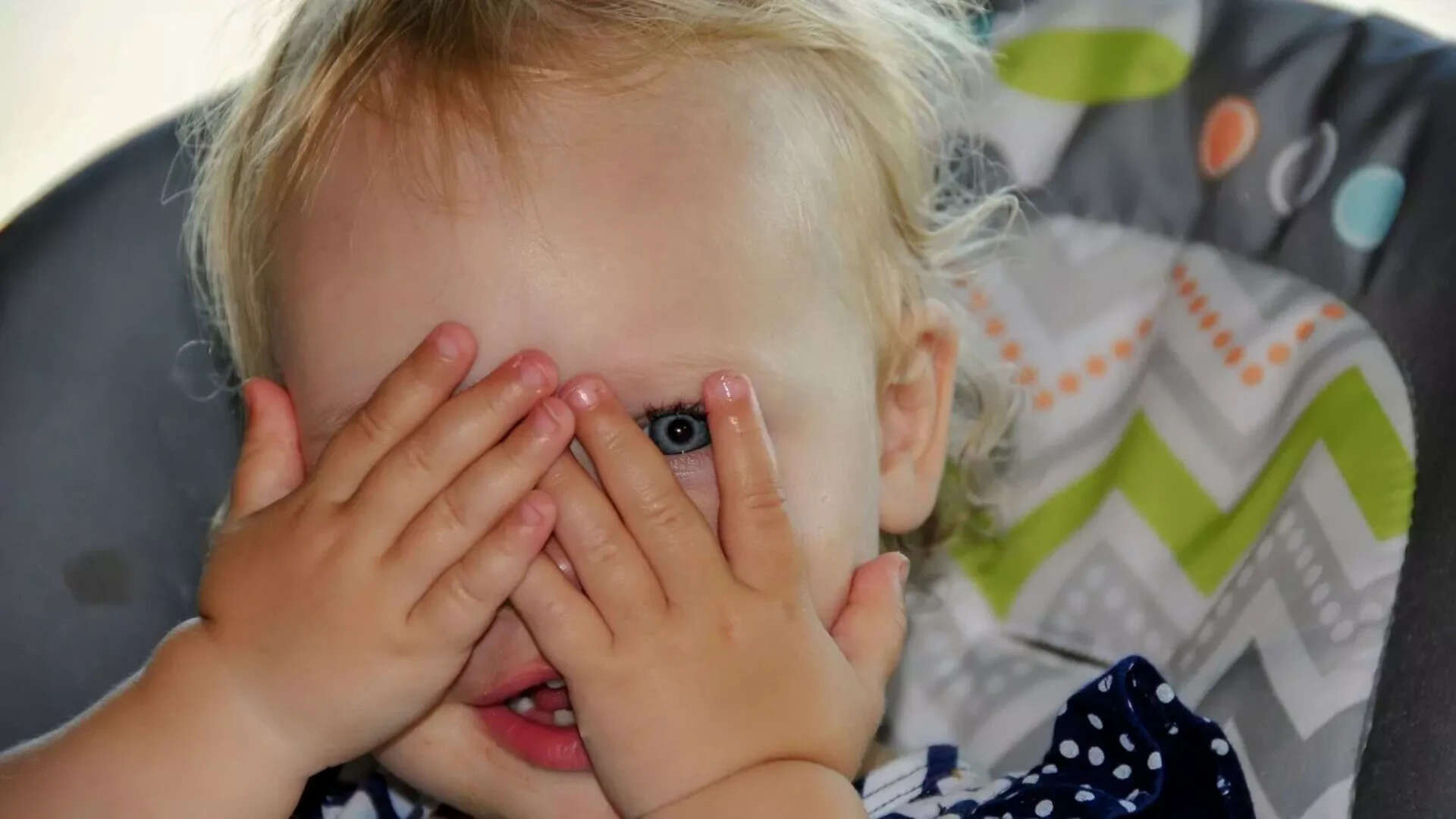
As children grow, deception becomes more complex, shaped by language and environment. With calm guidance, parents can turn this phase into a foundation for honesty and trust.
Why babies “lie”: It’s not about morality
It helps to ask a simple question: why would a baby even try to deceive?The answer is direct. It is about outcomes, not ethics.At this stage, children are driven by immediate needs. Food, comfort, attention, or avoiding a “no.” When a behaviour works once, the brain stores it.Researchers believe this links to early social learning. Babies begin to understand that other people have reactions they can influence. This is the beginning of what psychologists call “theory of mind,” or the ability to guess what someone else knows or feels.So a child is not thinking, “This is wrong.”They are thinking, “This works.”
How deception grows with age
The study shows a clear pattern.
- By 10 months: simple avoidance or hiding
- By 16 months: about half of children try some form of deception
- By 24 months: most children engage in it regularly
- By 3 years: deception becomes more creative and verbal
At age two, actions dominate. A child may ignore instructions or deny doing something. By age three, language enters the picture. Children may exaggerate, leave out details, or invent stories like “a ghost ate the chocolate.”This shift matters. It shows growing brain development, especially in memory, language, and social awareness.
The role parents play (often without realising it)
One of the most striking findings from the EDS study is this: children’s deception is linked to what they see at home.When parents use small “social lies” like “the shop is closed” instead of saying no, children notice patterns. The study found a positive link between parental behaviour and children’s understanding of deception.Encouraging deception was rare. But even everyday interactions can shape how children think.This does not mean parents should feel guilty. It simply shows that children are sharp observers. They learn not just from what is said, but how it is said.
Should parents be worried? Not really
It is easy to feel concerned when a child lies for the first time. But experts say this behaviour is normal.Instead, calm responses work better. When a child denies eating chocolate with crumbs on their face, the goal is not to “catch” them. It is to guide them.Simple language helps. Clear boundaries help more.
A small phase with a big lesson
A baby hiding a biscuit or a toddler denying a mess may seem frustrating in the moment. But these are small signs of a growing mind.Deception in early childhood is not a flaw. It is a step. It shows curiosity, learning, and awareness of others.Handled with patience, this phase can lead to something stronger: a child who understands honesty, not just follows it.