







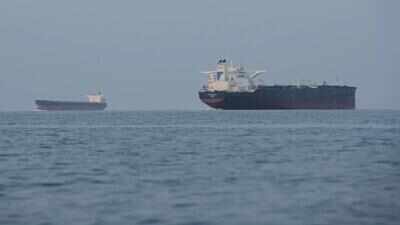
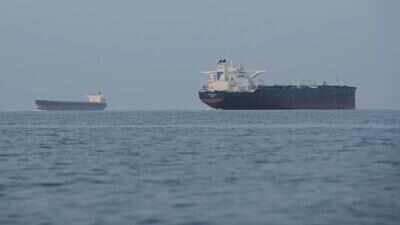
The recently signed US-Iran memorandum of understanding is set to provide a major boost to Tehran’s oil sector, potentially restoring a critical source of revenue for the Iranian economy and generating more than $60 billion annually if pre-conflict production levels are regained.Under the agreement, Iran will be allowed to resume oil and fuel exports, marking a significant shift in Washington’s sanctions policy. The development has already shown early signs of impact, with several Iranian oil tankers reportedly leaving ports and crossing the US naval blockade line this week as expectations grow for a revival in exports.The easing of restrictions to roll back a sanctions regime that was built over more than a decade to isolate Iran economically and curb its nuclear ambitions. The move could allow Tehran to expand sales to a wider pool of buyers after years of relying largely on discounted shipments through opaque trading networks, primarily to independent refiners in China.“This MOU won’t necessarily open a free-for-all in Iran’s economy. But, Iran will generate considerable revenues and likely be able to access those revenues,” said Richard Nephew, a former senior US sanctions official now at Columbia University told the Wall Street Journal.ALSO READ | Republican loyalists too starting to revolt over peace deal with IranHe estimated Iran could generate $8 billion in revenue in the first two months of the deal.Before the conflict, Iran accounted for roughly 4 per cent of global crude oil production. Analysts estimate that if output and exports return to earlier levels, annual oil revenues could exceed $60 billion at current market prices.The agreement is also reported to include a potential investment package worth up to $300 billion. Supporters argue that greater economic engagement could encourage stability, while critics warn that fresh revenue may strengthen the Iranian state and support military rebuilding efforts.“The risk is you strengthen the regime by providing it with an infusion of cash,” said Michael Singh, former senior director at the National Security Council for the Middle East in the George W Bush administration told WSJ. “Supporting the proxies and even building missiles and drones is to some extent cheap. What’s really expensive for Iran is properly running their country,” he said.A senior US official said sanctions relief linked to oil exports would remain conditional on Iran meeting commitments relating to its nuclear programme and ensuring the continued reopening of the Strait of Hormuz.The agreement could also unlock access to billions of dollars in Iranian funds frozen overseas. According to a Wall Street Journal report, Washington is exploring arrangements with Qatar that would allow Tehran to utilise part of an estimated $100 billion held abroad, beginning with approximately $6 billion currently in Qatar.Under the proposed mechanism, Qatar would use the funds to purchase humanitarian goods, including food and medicines, on behalf of Iran’s central bank.ALSO READ | Iranian singer sentenced to 74 lashes for singing without hijab; authorities call video ‘vulgar and immoral’The prospect of increased Iranian exports has also raised questions about global energy markets. The International Energy Agency warned this week that a lasting resolution to the conflict could contribute to an oil supply surplus in the coming years. The agency said global supply could rise by around 8 million barrels per day in 2027, significantly outpacing an expected recovery in demand.Meanwhile, diplomatic engagement continues. Qatar has reiterated support for dialogue between Washington and Tehran, while Switzerland said it remained ready to facilitate future talks after a planned round of technical discussions involving the US, Iran, Qatar and Pakistan was postponed following the signing of the agreement.